Prioritize Asynchronous Information
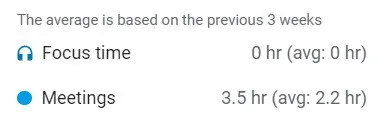
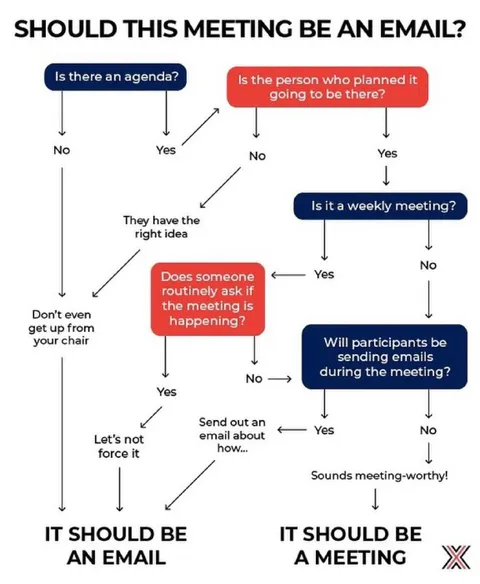
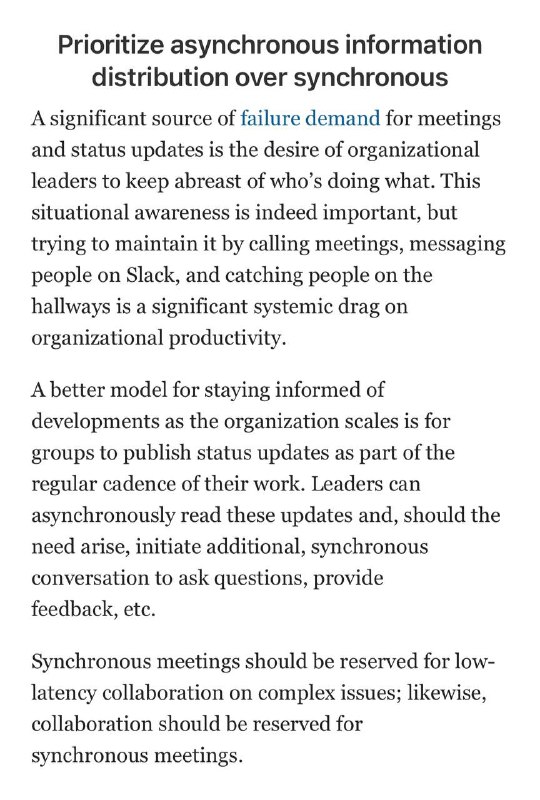
Prioritize asynchronous information distribution over synchronous A significant source of failure demand for meetings and status updates is the desire of organizational leaders to keep abreast of who’s doing what. This situational awareness is indeed important, but trying to maintain it by calling meetings, messaging people on Slack, and catching people on the hallways is a significant systemic drag on organizational productivity. A better model for staying informed of developments as the organization scales is for groups to publish status updates as part of the regular cadence of their work. Leaders can asynchronously read these updates and, should the need arise, initiate additional, synchronous conversation to ask questions, provide feedback, etc. Synchronous meetings should be reserved for low-latency collaboration on complex issues; likewise, collaboration should be reserved for synchronous meetings.
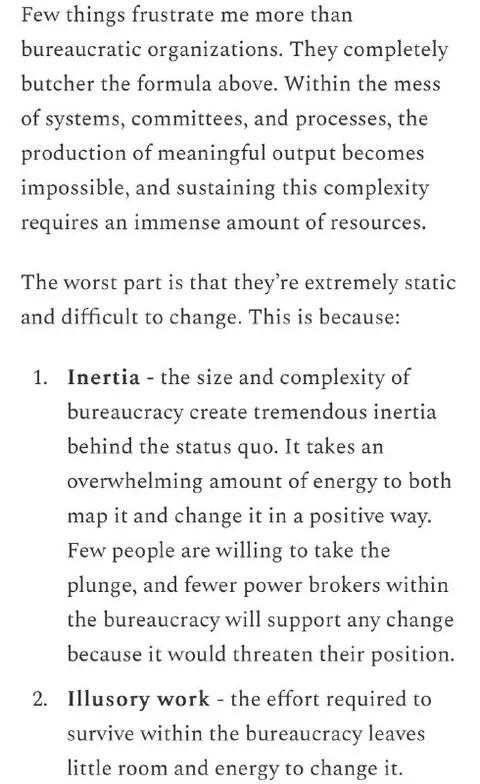
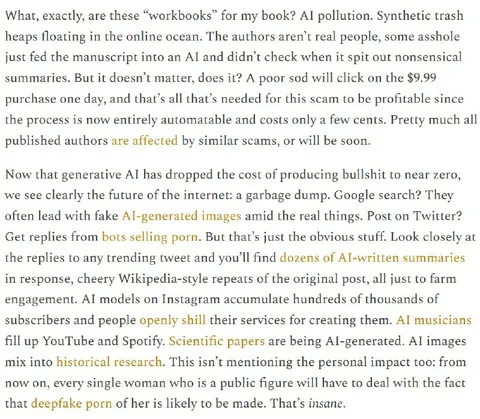
A screenshot shows an English article arguing that organizations should use asynchronous status updates instead of relying on meetings, Slack messages, and hallway conversations. The joke is the deliberately circular final sentence, which humorously applies its own principle of reserving collaboration for synchronous meetings.
article screenshot / скриншот статьиtext heading / текстовый заголовокparagraphs / абзацыwhite page / белая страницаblack serif text / чёрный текст с засечкамиblue hyperlink text / синий текст гиперссылкиorganizational productivity / организационная продуктивностьmeetings / встречиSlack messages / сообщения в Slackstatus updates / обновления статуса
- @jemalloc / 959 2022-09-13
- Type
- image
- Size
- 540×800 · 100.8 KiB
- Mood
- саркастичный, абсурдный
- Language
- en
- Added